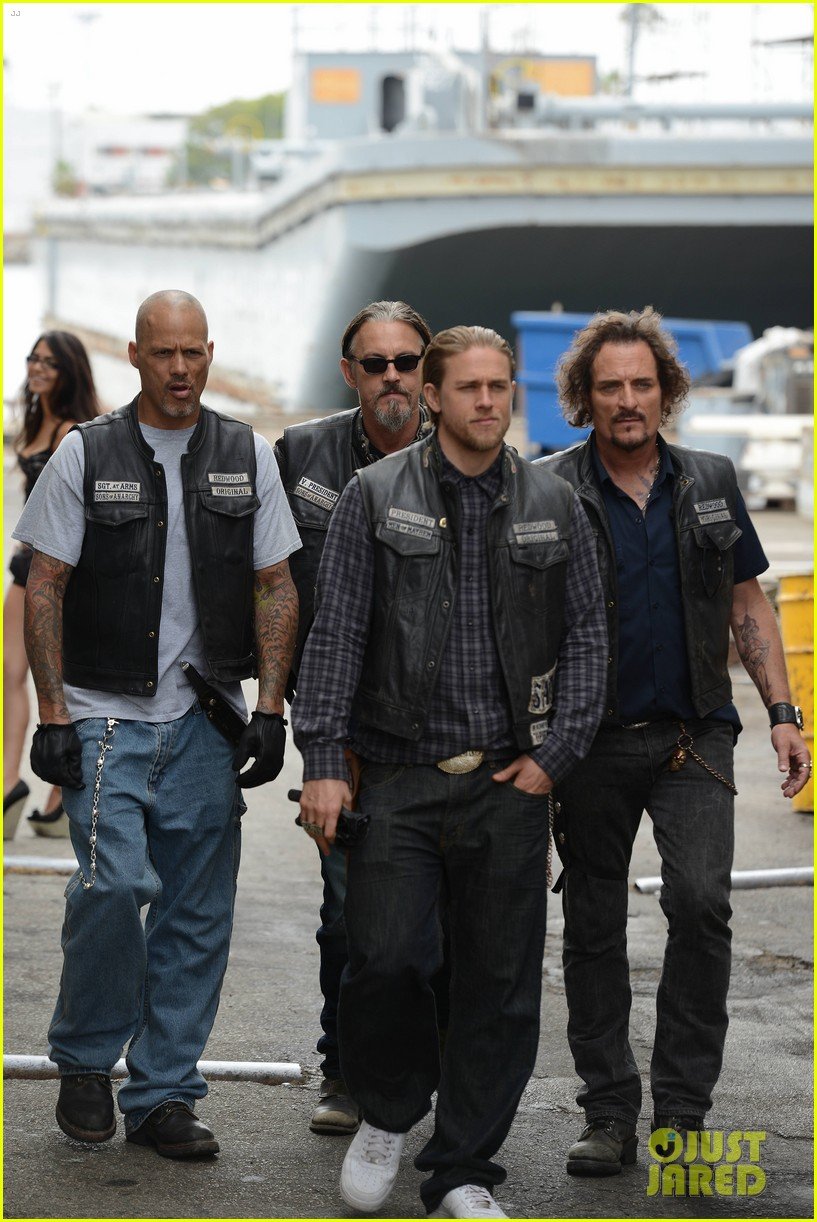
The rumble of Harleys, the brotherhood forged in blood, the constant tug-of-war between loyalty and morality—it all came crashing down in a single, visceral moment. For fans grappling with the emotional wreckage of the Sons of Anarchy series finale, aptly titled "Papa's Goods," understanding Jax Teller's bloody final ride isn't just about plot points; it’s about grasping the devastating, yet oddly liberating, conclusion to a modern tragedy. This is your comprehensive guide to the fateful episode that capped off seven seasons of SAMCRO's turbulent saga.
At a Glance: Jax Teller's Final Hour
Before we dive into the gritty details, here's a quick roadmap to what made the Sons of Anarchy finale unforgettable:
- The Catalyst: Jax had killed his mother, Gemma, for Tara's murder, setting his final path in motion.
- Club Transformation: He ushered in a new era for SAMCRO, integrating T.O. and breaking ties with the Irish.
- Self-Sacrifice: Jax engineered his own "mayhem vote" death, sparing his club the choice.
- Family's Future: He ensured Wendy and his sons, Abel and Thomas, would escape Charming and the club life.
- Lasting Vengeance: Jax eliminated remaining threats and traitors like Barosky and Marks.
- Opie's Echo: He offered his brothers a fake "out" for his execution, mirroring Opie's sacrifice.
- Fulfilling Destiny: Jax died like his father, J.T., colliding head-on with a semi-truck, a final, deliberate act of freedom.
- Thematic Depth: The finale leaned heavily into its Hamlet influences, emphasizing sacrifice, legacy, and the impossibility of escaping one's path.
The Weight of the Crown: Setting the Stage for "Papa's Goods"
The finale opened with a stark, symbolic act: Jax Teller, fresh from avenging Tara by killing his own mother, Gemma, was systematically burning his sons' journals and his father's original manifesto. This wasn't just housekeeping; it was Jax trying to erase the cyclical violence that defined his life, attempting to rewrite a future for his children free from the club's suffocating shadow. He was no longer trying to change the club from within; he was preparing to sever his own ties to it, irrevocably. The air in Charming hung heavy with the grim inevitability of his fate, a sense that Jax was now walking a path from which there was no return.
Jax's Final Blueprint: Tying Up Loose Ends
With Gemma gone and his vengeance sated, Jax's actions in "Papa's Goods" weren't random acts of violence. They were a meticulously planned series of moves designed to secure a future for his family and for SAMCRO, even if it meant sacrificing himself.
Mending Old Wounds, Forging New Paths: Club Reform
Jax understood that SAMCRO, as it stood, was riddled with prejudice and unsustainable alliances. His first order of business was to dismantle the old guard and pave the way for a more unified, less racist club.
He facilitated the patching in of Grim Bastards' President T.O. Cross as the first Black member of SAMCRO, a monumental change to the club's deeply ingrained, racist bylaws. This act, coming from a man who had seemingly spiraled into pure darkness, was a powerful statement about the potential for change and progress within the club—a future Jax wouldn't be part of, but one he envisioned.
Simultaneously, he began severing the volatile ties with the Irish Kings, which had brought nothing but bloodshed and sorrow to SAMCRO. By eliminating Brendan Roarke and his men and having Connor deal illegal weapons directly to Marcus Alvarez, Jax aimed to cut off the dangerous Irish influence, giving SAMCRO a cleaner slate, free from ancient, destructive allegiances.
The Ultimate Sacrifice: The Mayhem Vote
Perhaps the most heart-wrenching and pivotal decision Jax made was orchestrating his own death. After confessing the full truth about Jury's murder to the other Sons of Anarchy charters, he initiated a mandatory "mayhem vote" against himself. This wasn't an act of cowardice; it was an ultimate display of leadership and self-sacrifice.
Jax knew that his past actions, particularly killing a fellow club president, demanded retribution under club law. He couldn't simply walk away. By instructing his own brothers, including Chibs, to vote "Yea," he spared them the agonizing choice and the guilt of betraying their president. It was his way of accepting responsibility, clearing the slate for SAMCRO, and allowing the club to move forward without the burden of his crimes or the need for a bloody internal power struggle.
A Father's Legacy: Securing His Sons' Future
Above all else, Jax wanted his sons, Abel and Thomas, to escape the life he was born into. This desire, often at odds with his club loyalty, became his absolute priority in the finale. He met with Nero, entrusting him with the responsibility of ensuring Wendy received his houses and garage. His instruction was clear: sell everything, move out of Charming—to Norco, or even back East—and raise the boys far from the clutches of SAMCRO.
His tearful goodbyes to Abel and Thomas were gut-wrenching, an acknowledgment that his path was ending so theirs could truly begin. He wasn't just leaving them money; he was gifting them a chance at a normal life, something he never had and never could offer them. This was the ultimate act of paternal love, severing the generational ties to violence. If you're looking to revisit the weight of these choices and the intricate plotlines leading up to them, a dive into Sons of Anarchy Series 7 Guide offers a detailed breakdown of the season's intense build-up.
Justice and Vengeance: Settling All Scores
Before his final ride, Jax systematically eliminated every remaining enemy and traitor who had directly contributed to the club's suffering or Tara's death. This wasn't merely revenge; it was a cleaning of the house, ensuring SAMCRO wouldn't face future retaliation for his actions.
- D.A. Patterson: He met with D.A. Patterson and taped a full confession. This wasn't to save himself, but to lay bare Gemma's role in Tara's murder, Juice's cover-up, and the escalating war with the Chinese. It was a final act of truth-telling, a way to ensure that the facts of what happened, however grim, would eventually come to light.
- Charles Barosky: A former ally who betrayed SAMCRO by ratting them out to the authorities, Barosky met his end at Jax's hand. This was swift, brutal justice for his treachery.
- August Marks: The formidable gangster who had Bobby's murder on his hands was another target. Jax took him out, not just for Bobby, but to prevent future retaliation against SAMCRO for framing Marks for Pastor Jonathan Haddem's murder. This final act solidified SAMCRO's position and removed a dangerous enemy.
The Long Goodbye: SAMCRO's Final Moments with Jax
Back at the clubhouse, in a scene dripping with emotion and unspoken understanding, Jax attended his final SAMCRO meeting. He removed his President's patch, passing the gavel to Chibs Telford, who became the new President, with Tig Trager stepping up as Vice President.
Jax then placed his gun on the table, signaling his readiness for the mayhem vote's consequence. What followed was a beautifully tragic subversion of expectations. Jax had orchestrated a "fake" execution: Chibs, with a heavy heart, shot Happy in the arm instead of Jax. This act allowed Jax to fulfill the club's bylaws without forcing his brothers to pull the trigger on their leader, cementing their bond one last time.
In a series of raw, silent hugs and nods, Jax said his goodbyes, whispering "I got this" to Chibs—the very last words Opie Winston had uttered before his own brutal death. It was a profound echo, tying Jax's fate to his best friend's sacrifice, signaling that he too was ready to face his destiny.
The Highway to Hell: Jax's Fateful Collision
With all his affairs in order, Jax embarked on his final ride. He journeyed to the very spot where his father, John Teller, had died years earlier. A confrontation with a highway patrolman served as the trigger, leading to a high-speed chase. But this wasn't an escape attempt; it was a deliberate performance.
Jax rode his father's motorcycle, shedding his kutte on the highway, symbolizing his ultimate detachment from the club. With arms outstretched, a look of grim acceptance on his face, he intentionally swerved into the path of an oncoming semi-truck. The truck, driven by the enigmatic Milo (a recurring character, often seen delivering bread and wine, further enhancing the symbolic nature of Jax's journey), collided with him head-on.
Jax died exactly as his father did, in the same location, accepting his fate, finally finding peace in self-sacrifice. The final shot of his blood spreading on the highway, being consumed by a raven, underscored the cyclical nature of violence, yet also the finality of his choice.
Beyond the Blood: Unpacking the Finale's Deeper Meanings
The Sons of Anarchy finale was more than just a plot resolution; it was a rich tapestry of thematic elements, drawing on literary inspiration and spiritual symbolism to give Jax's death profound meaning.
The Hamlet Parallel: Tragedy Foretold
Series creator Kurt Sutter never shied away from the explicit influence of William Shakespeare's Hamlet. Jax Teller was always envisioned as a modern-day Hamlet, grappling with his father's ghost, a manipulative mother, and a treacherous "uncle" figure (Clay Morrow). The finale brought this parallel to its inevitable, tragic conclusion.
Like Hamlet, Jax was a fundamentally good person driven to instability and anti-heroism by grief, betrayal, and an unyielding quest for revenge. His death, much like Hamlet's, was not just an ending but an inevitable consequence of the bloody path he chose, or perhaps, was forced to walk. It was a tragic hero's fall, a cycle of violence consuming its protagonist.
A Sacrifice, Not a Surrender
Despite the violence and heartbreak, Jax's final actions were portrayed as a profound act of sacrifice. His death wasn't a surrender to despair but a deliberate choice for the betterment of those he loved. He freed himself from personal suffering, yes, but more importantly, he ensured his sons, Abel and Thomas, could have a life free from SAMCRO's corrupting influence. He broke the chain.
Furthermore, his sacrifices—both in life and in death—provided the club with greater security, freedom from discriminatory bylaws, and a clearer path forward under Chibs' leadership. He died so that SAMCRO could have a chance at a different future, one less steeped in the mistakes of its past.
Symbols and Echoes: The Spiritual Undercurrent
The finale was heavy with symbolism, some subtle, some overt.
- Jesus Christ Motif: References from Season 1, like the unhoused woman who offered Jax bread and wine, reappeared. She provided Jax with a blanket and an apple, echoing biblical imagery and framing Jax's journey as a crucifixion-like sacrifice, offering salvation to his "flock" (his family and club) through his own suffering and death. The semi-truck driver, Milo, who delivered bread, further cemented this imagery.
- The Raven: A recurring symbol, often associated with death and foreboding, the raven consuming Jax's blood on the highway served as a final, stark image of his passing.
- Hamlet's Closing Words: The episode closed with a direct quote from Hamlet—"Doubt thou the stars are fire; Doubt that the sun doth move; Doubt truth to be a liar; But never doubt I love." This quote, originally written by Hamlet to Ophelia, underscored the deep, often destructive, love that drove Jax's entire journey—love for his family, his club, and ultimately, his desperate hope for a better future for his sons.
The Enduring Legacy: What Comes Next?
The Sons of Anarchy finale aired over a decade ago, yet its emotional impact and intricate storytelling continue to resonate. While the spin-off series Mayans M.C. successfully continued the motorcycle club franchise, offering a different perspective on the outlaw life, the legacy of SAMCRO and Jax Teller remains.
Rumors of a direct Sons of Anarchy revival series persist, with fans speculating about a potential focus on Jax's now-grown son, Abel, or even featuring returning cast members like Charlie Hunnam and Theo Rossi in new capacities. While FX has not officially confirmed any such projects, the enduring love for the world Kurt Sutter created ensures that the roar of those Harleys will never truly fade.
Your Questions on Jax Teller's Final Ride, Answered
The finale leaves a lot to unpack. Here are answers to some common questions fans still have about Jax's ultimate fate:
Why did Jax have to die?
Jax's death was portrayed as an inevitability for several reasons:
- Club Bylaws: He killed Jury, a fellow club president, which mandated a "mayhem vote" for his own execution. He couldn't evade this without tearing the club apart.
- Hamlet Influence: Like Hamlet, Jax was a tragic hero whose path of vengeance and violence made his survival fundamentally incompatible with a peaceful resolution. His death completed his tragic arc.
- Sacrifice for His Sons: His death was the only way to truly break the cycle of violence for Abel and Thomas, ensuring they could grow up free from the club's influence. He believed he was too far gone to ever provide them a safe, normal life himself.
- Redemption: By taking all the club's sins upon himself and dying, he cleared the slate for SAMCRO, allowing them to move forward without the heavy burden of his recent actions.
Was Jax's death a happy ending?
It was a profoundly bittersweet ending, not a "happy" one in the traditional sense. It was happy in that:
- Freedom for his sons: Jax achieved his primary goal of freeing Abel and Thomas from the club's life.
- Club's future: He secured SAMCRO's future by installing new leadership, changing racist bylaws, and severing dangerous ties.
- Personal peace: Jax himself found peace and liberation from the pain and responsibility he carried, finally reuniting with Tara and Opie in spirit.
However, it was devastatingly sad because of the immense loss, the tragedy of his journey, and the brutal cost of his "redemption."
Who was the truck driver?
The semi-truck driver was Milo, played by the same actor (Michael Chiklis) who previously played Detective Shane Vendrell on The Shield, another Kurt Sutter show. Milo was often seen in earlier episodes as a quiet, unassuming man who delivered bread. His appearance in the finale as the instrument of Jax's death carried significant symbolic weight, linking to the Jesus Christ motif of sacrifice and the "bread and wine" symbolism from the unhoused woman. He represented an almost divine or fated presence, an everyday man fulfilling a preordained role.
What happened to Abel and Thomas?
Jax arranged for Wendy to take his houses and garage, sell everything, and move away from Charming—to Norco or back East—with Abel and Thomas. He wanted them raised completely free from the influence of SAMCRO, the biker life, and the town that had brought so much pain. Nero was tasked with ensuring this happened, acting as a protector and a bridge to a better life for them.
Did D.A. Patterson arrest anyone after Jax's confession?
While Jax's confession implicated Gemma, Juice, and provided details about the Chinese conflict, the immediate aftermath of his death means a straightforward legal resolution is complex. With Gemma dead and Juice already gone, the direct targets of his confession were no longer alive. However, the confession likely provided D.A. Patterson with crucial information that could lead to further investigations into the various criminal enterprises Jax outlined. The series ends without explicitly showing further arrests directly resulting from his tape, but the information was out there, serving as a lingering consequence of SAMCRO's actions.
Riding On: The Enduring Impact of Sons of Anarchy
The Sons of Anarchy series finale, "Papa's Goods," delivered a gut punch of an ending that was both heartbreaking and strangely satisfying. Jax Teller's final ride wasn't just the end of a story; it was the culmination of a modern epic, a deeply human exploration of loyalty, family, and the price of freedom. It cemented the series' place as a true television phenomenon, a story that dared to ask what happens when the path to redemption is paved in blood. Whether you're rewatching for the tenth time or just now piecing together the events, the impact of Jax's ultimate sacrifice remains as potent as ever.