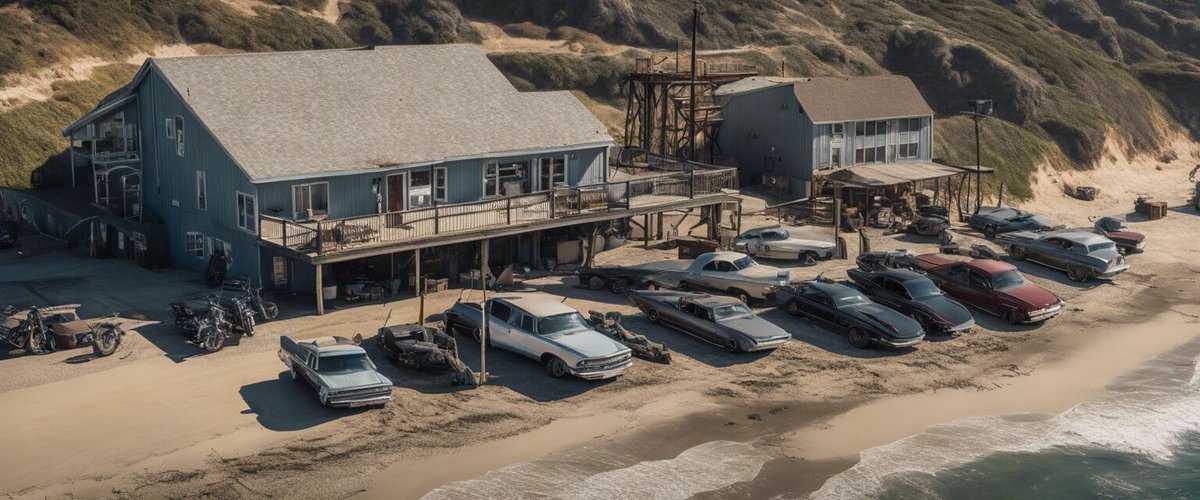
The final ride of SAMCRO was more than just a season; it was a sprawling, visceral epic, painstakingly crafted behind the scenes. Diving into the Behind-the-Scenes & Trivia for SOA Season 7 reveals the sheer dedication, emotional toll, and creative genius that brought Jax Teller’s story to its unforgettable close. This wasn't just TV; it was a deeply personal journey for everyone involved, a saga infused with the grit of real life and the roar of authentic Harley-Davidsons.
At a Glance: Crafting SAMCRO's Swan Song
- The Pressure Cooker: Season 7 carried the immense weight of wrapping up seven years of complex storytelling and beloved characters.
- Authenticity First: Creator Kurt Sutter insisted on realism, from the bikes to the violence, making the world feel tangible.
- Actor Immersion: Charlie Hunnam lived and breathed Jax, forging a deep connection with motorcycle culture, while Katey Sagal embraced Gemma's dark, maternal power.
- Practical Magic: Real California locations, practical stunts, and actual vehicles grounded the show in a visceral reality.
- Emotional Depth: Character-driven narratives meant actors dug deep, exploring intricate backstories and forging powerful emotional bonds with their roles.
- Social Media Sneak Peeks: Cast and crew shared raw glimpses, feeding fan anticipation with Samcro selfies and prop hints.
The Weight of the End: Crafting SOA's Final Ride
Concluding a series as iconic and emotionally charged as Sons of Anarchy presented a monumental challenge. Creator Kurt Sutter, known for his uncompromising vision, faced the task of not just ending a story, but fulfilling the destiny of characters audiences had loved, hated, and deeply empathized with for years. The pressure to deliver a satisfying, yet gut-wrenching, conclusion was immense, shaping every decision made during Season 7's production.
Sutter’s mantra for the final season, much like the entire series, revolved around authenticity. This wasn't just about gritty visuals; it permeated the storytelling, the character arcs, and the very atmosphere on set. Every choice, from the specific models of motorcycles to the detailed, often gory, aftermath of violence, was made to immerse viewers completely in the world of SAMCRO. The goal was never to shy away from the brutal realities of outlaw life, but to explore its consequences with unflinching honesty.
Jax Teller's Last Stand: Charlie Hunnam's Journey
To understand the core of Sons of Anarchy, one must understand Jax Teller, and to understand Jax, one needs to appreciate Charlie Hunnam's profound commitment to the role. Hunnam didn't just play Jax; he became him. For seven seasons, he embodied the conflicted leader, the grieving son, the devoted father, and the ruthless outlaw. The final season saw Jax descend into a vortex of revenge and self-destruction, pushing Hunnam to his absolute physical and emotional limits.
Hunnam famously immersed himself in motorcycle club culture long before the series began, forging genuine bonds with riders and understanding the intricate codes of brotherhood. This wasn't just research; it was a way of life that informed every nuanced performance, making Jax feel incredibly real. On set, his dedication was legendary. He often performed his own stunts, spent countless hours on his bike, and lived with an intensity that mirrored his character's unraveling. This deep connection allowed him to portray Jax's final, desperate choices with heartbreaking conviction. If you're curious about the deeper dive into the protagonist's journey, exploring Jax Teller's character arc can offer even more insight into Hunnam's meticulous craft.
Gemma Teller Morrow: Katey Sagal's Unforgettable Portrayal
Opposite Hunnam's Jax was Katey Sagal's Gemma Teller Morrow, a character so complex, so simultaneously loving and destructive, that she became an unforgettable force of nature. Season 7 placed Gemma at the epicenter of the tragedy, her choices driving much of the season's brutal narrative. Sagal’s performance was nothing short of masterful, navigating Gemma's grief, paranoia, and the desperate lengths she'd go to protect her family – even from herself.
The ground truth research specifically mentions the "gory moments, such as Gemma's carving fork into Tara's skull" from a previous season. While this horrific act cast a long shadow over Season 7, it underscored the depth of Gemma's capacity for violence and her distorted sense of protection. Sagal brought a raw vulnerability to Gemma, allowing audiences to understand her motivations, however twisted, even as her actions appalled them. Her portrayal highlighted the crucial role of strong, albeit flawed, female characters within the male-dominated world of SAMCRO, a point Katie Segal herself often emphasized. Understanding the full scope of her impact is key to appreciating Gemma Teller's enduring legacy in television history.
The Brotherhood & Beyond: Supporting Cast Dynamics
While Jax and Gemma were central, the strength of Sons of Anarchy lay in its rich ensemble cast. Actors like Kim Coates (Tig), Tommy Flanagan (Chibs), Mark Boone Junior (Bobby), and Dayton Callie (Wayne Unser) brought layers of humanity, humor, and heartbreak to their roles. Their chemistry wasn't manufactured; it was forged over seven years of working closely, often in grueling conditions.
The behind-the-scenes camaraderie was palpable, often translating into the authentic brotherhood seen on screen. Even as characters faced internal conflicts and devastating losses, the bond between the actors was a constant source of support. This collective effort ensured that every member of SAMCRO felt like a fully realized individual, each grappling with their own moral compromises and loyalties as the club barreled towards its inevitable conclusion.
California's Canvas: Filming on Location
The sun-drenched, dust-blown landscapes of California weren't just a backdrop for Sons of Anarchy; they were a character in themselves. The show famously utilized real California locations, from the desolate stretches of highway to the gritty urban pockets, lending an unparalleled sense of authenticity and dramatic visual impact. For Season 7, this commitment to real locations intensified, making the world feel tangible and lived-in as Jax embarked on his final, desperate rides.
Filming on location meant contending with real-world elements: the scorching heat, the unpredictable traffic, and the logistical challenges of orchestrating complex scenes in public spaces. Yet, this commitment paid off dramatically. The open road, the dive bars, the desolate warehouses—each played a vital role in shaping the show's aesthetic and reinforcing the outlaw biker ethos. It made SAMCRO's world feel less like a set and more like a place you could actually visit, breathing life into every shot. Delving into the specific filming locations of SOA offers a fascinating glimpse into the visual storytelling.
Rubber Meets the Road: Practical Stunts and Authenticity
When it came to action, Sons of Anarchy always prioritized practical effects over CGI whenever possible. Season 7, with its heightened stakes and relentless pace, featured numerous thrilling stunts and visceral car chases performed with real vehicles and dedicated stunt performers. This commitment to practical effects not only added to the show's realism but also injected a raw, immediate energy into every action sequence.
The motorcycles, of course, were central to the show's identity. Hunnam and the other actors spent countless hours training and riding, ensuring that their comfort and skill on the bikes were utterly convincing. The bikes weren't just props; they were extensions of the characters, symbols of freedom and brotherhood. The sounds of the engines, the glint of chrome, the skill with which the actors handled their rides—all contributed to the show's gritty authenticity. It was this meticulous attention to detail that made the high-octane sequences genuinely thrilling, allowing viewers to feel the wind, the speed, and the danger. The deeper cultural implications of the bikes and the club are explored in detail through the lens of Sons of Anarchy's motorcycle culture.
The Pen and the Piston: Kurt Sutter's Vision and Writing Process
At the heart of Sons of Anarchy's success was Kurt Sutter’s singular vision. His writing process was intensely character-driven, meticulously developing backstories and intertwining fates to create deep emotional connections with the audience. Season 7 was the culmination of these years of intricate narrative weaving, as every character's journey, every choice, reverberated with the weight of their past.
Sutter often spoke about the challenge of balancing the relentless action and violence with profound emotional depth. He wasn't interested in gratuitous gore; rather, each violent act served a purpose, propelling the story forward or revealing a crucial aspect of a character's moral compass. His ability to craft compelling arcs, even for the most morally ambiguous characters, is what elevated SOA beyond a simple biker drama. The creative process, from initial concept to final script, was a painstaking journey, a testament to Sutter’s dedication to his creation. For those interested in the architecture of such a complex series, a look at Kurt Sutter's creative process offers valuable insights.
Weaving the Threads: Costume, Props, and Symbolism
In Sons of Anarchy, every detail carried meaning. The distinctive leather jackets, adorned with the iconic SAMCRO patch, were far more than costumes; they were uniforms, symbols of identity, loyalty, and a chosen family. Each jacket was meticulously distressed to reflect years of wear, subtly telling a story of its own. Props, too, were infused with significance, often becoming extensions of the characters or foreboding omens.
Think of Gemma's ever-present rings, Tara's medical instruments, or the various firearms that frequently appeared. Even smaller, seemingly innocuous items were carefully selected by the prop master and costume department to deepen the authenticity of the world. These elements grounded the narrative, making the characters' lives feel tangible and their struggles more real. The visual language of the show was as rich and complex as its narrative, with every item contributing to the overall tapestry of SAMCRO's world.
Social Media & Fan Engagement: A Glimpse Behind the Veil
In the era of social media, Sons of Anarchy leveraged platforms like Instagram and Twitter to connect with its fervent fanbase, especially during the anticipation for Season 7. The cast and crew, including Kurt Sutter himself, frequently shared behind-the-scenes photos and videos, offering tantalizing glimpses into the production. These weren't just promotional shots; they were often candid "Samcro selfies" or close-ups of props, creating an intimate connection.
These images often hinted at the series' characteristic blend of camaraderie and impending gore, echoing the ground truth mention of "Samcro selfies and props, hinted at the series' characteristic gory moments." This direct line of communication fostered a sense of community, making fans feel like they were part of the journey leading up to the final season. It deepened their appreciation and understanding of the immense effort involved in bringing the gritty world of Charming to life one last time.
The Emotional Toll: Saying Goodbye to SAMCRO
The end of Sons of Anarchy was not just a narrative conclusion; it was an emotional reckoning for everyone involved. For the actors, portraying their characters' final, often tragic, destinies meant grappling with deep emotional resonance. Charlie Hunnam, for instance, spoke openly about the difficulty of letting go of Jax Teller, a character he had inhabited for so long. The bond between the cast and crew, strengthened over seven years, made the farewells particularly poignant.
The series had become more than just a job; it was a family, a creative haven, and a significant chapter in their lives. The emotional intensity of the final season, both on and off-screen, left an indelible mark. For fans too, saying goodbye to SAMCRO was a profound experience, a testament to the show's ability to create a world so real and characters so vivid that their departures felt like personal losses. For a full breakdown of what went into that final run, check out our comprehensive Sons of Anarchy Series 7 Guide.
Deepening Your Ride: What We Learned from the Final Season's Creation
Unpacking the behind-the-scenes magic and trivia for Sons of Anarchy Season 7 offers more than just fun facts; it provides a profound understanding of what makes compelling television. We see how an unwavering commitment to authenticity, a character-first approach to storytelling, and the sheer dedication of a talented cast and crew can elevate a gritty biker drama into a modern epic.
This final glimpse behind the curtain reminds us that the most impactful stories are often the ones told with the most heart, grit, and an unyielding vision. The journey of SAMCRO, from its inception to its fiery conclusion, stands as a testament to the power of immersive storytelling, leaving an enduring legacy on television and in the hearts of its devoted fans. As you rewatch the final episodes, armed with this newfound appreciation, you'll undoubtedly catch subtle nuances and layers of meaning that only a true understanding of its creation can reveal.